
Software built end to end by AI, and proved by mathematics.
Language models propose; logic and mathematics decide. MLambda writes software in Aleph and Hilbert, mathematical languages that AI handles well and a machine can check, and proves every rule, test and screen before it ships. The power of mathematical abstraction, used to build software that is sophisticated and still correct.
-
For business
Applications that work together, and systems built for you
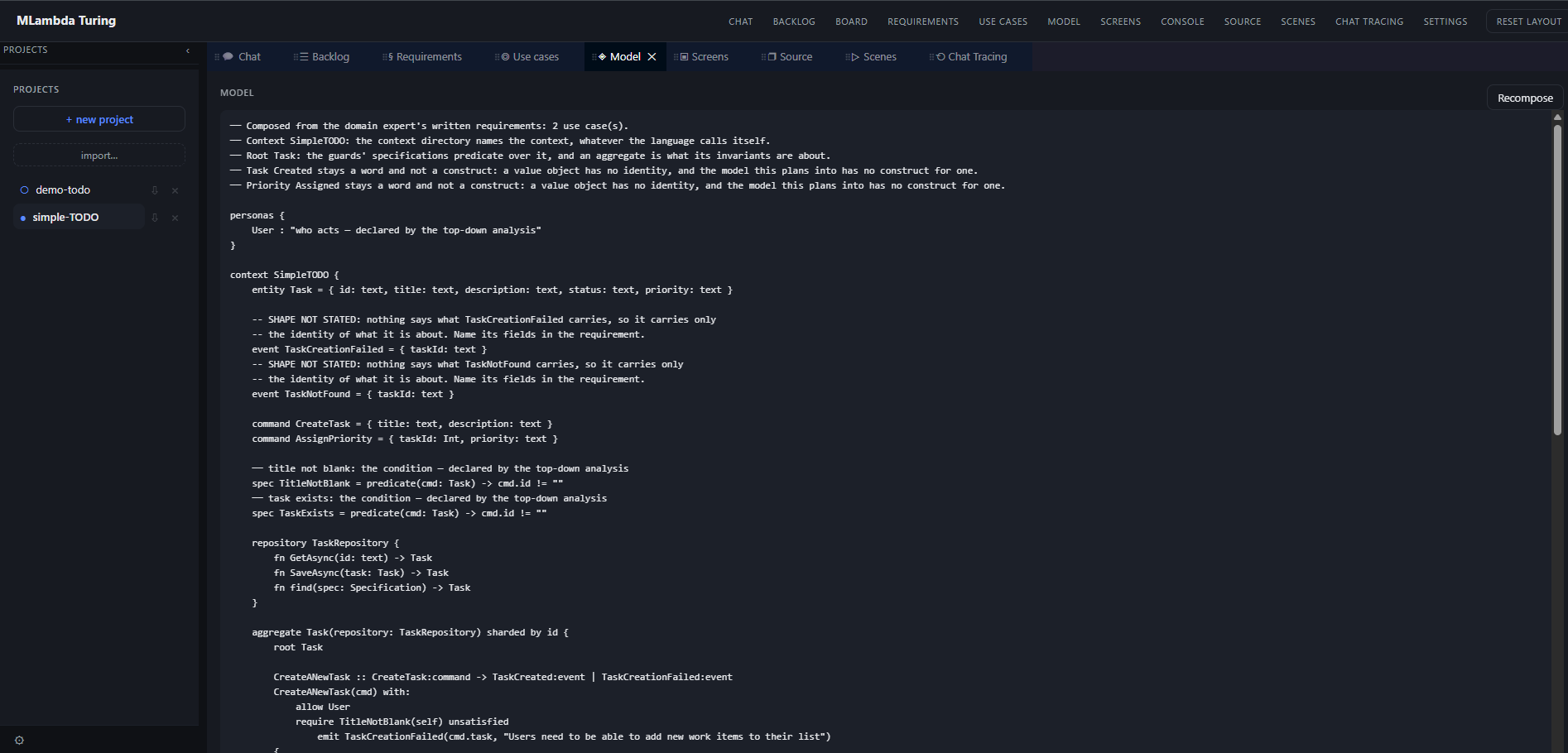
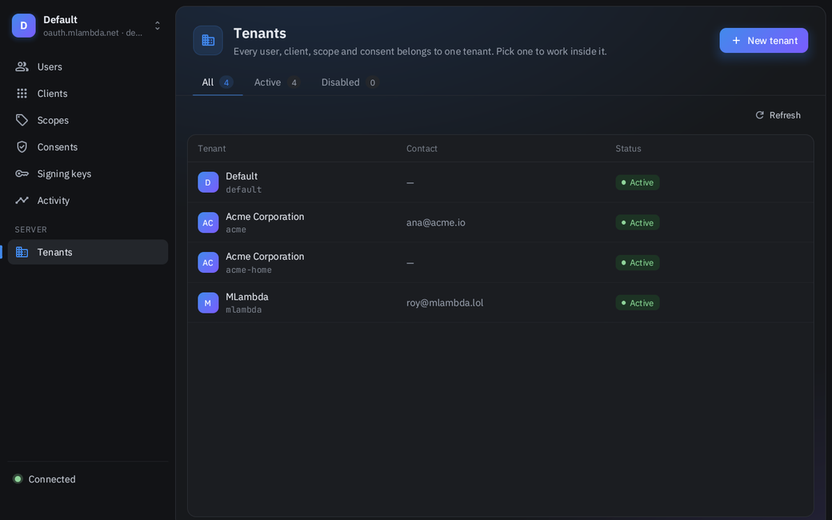
CRM, ERP, a service desk, integrations, marketing and logistics, each proved before release; or your own system, designed from a description of your business.
The apps and how we build → -
For developers
A mathematical stack, from the compiler up
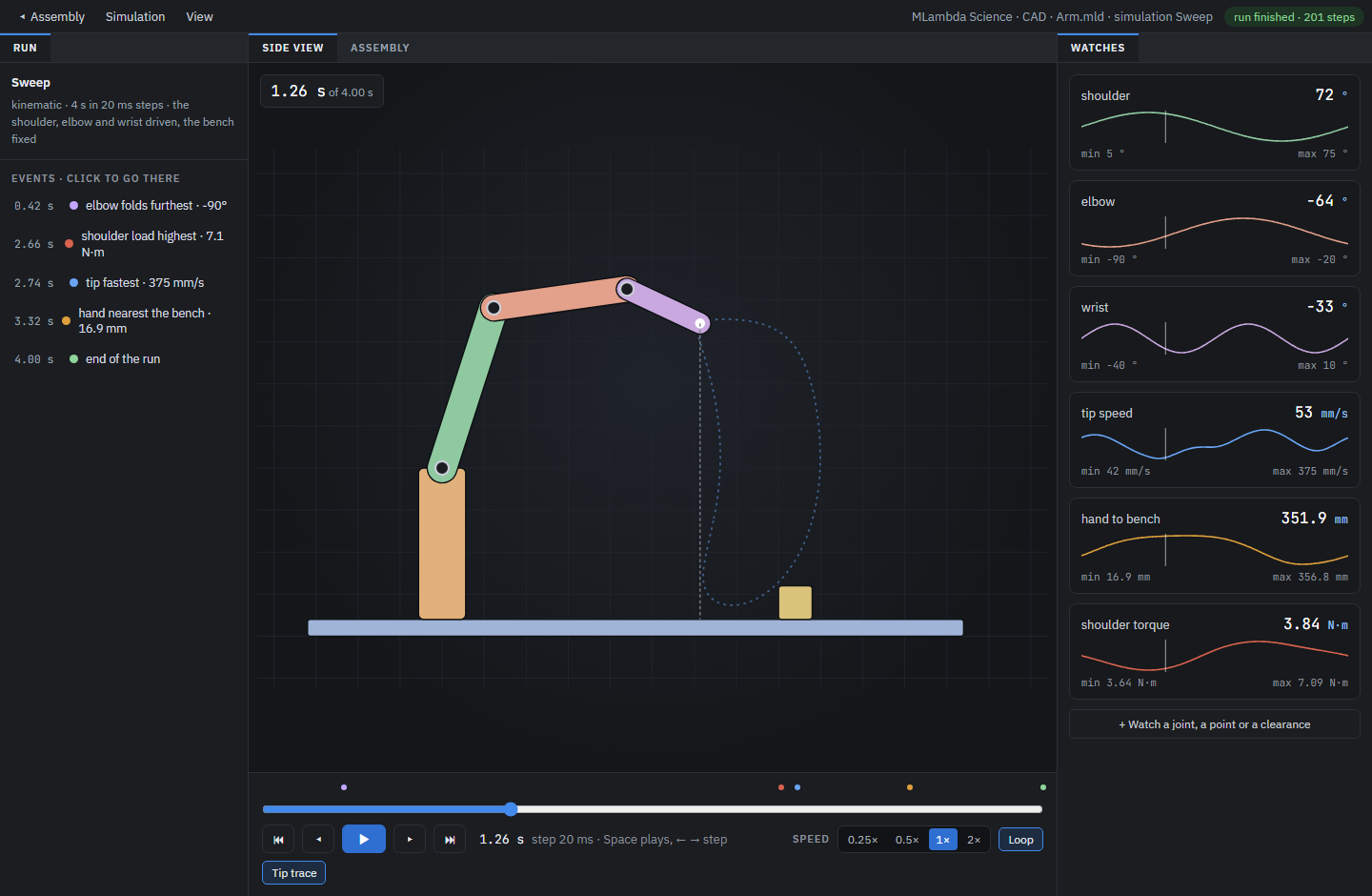
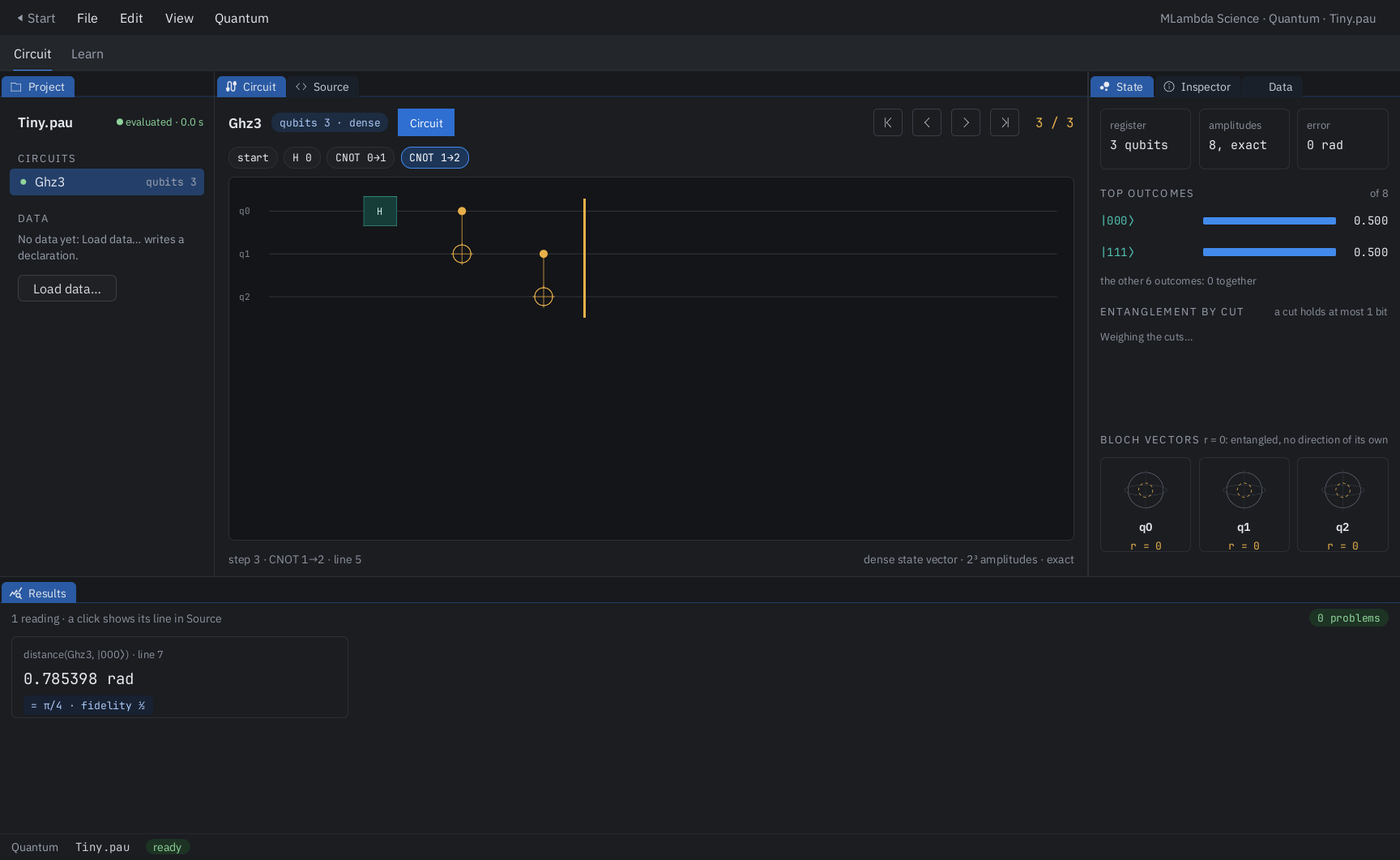
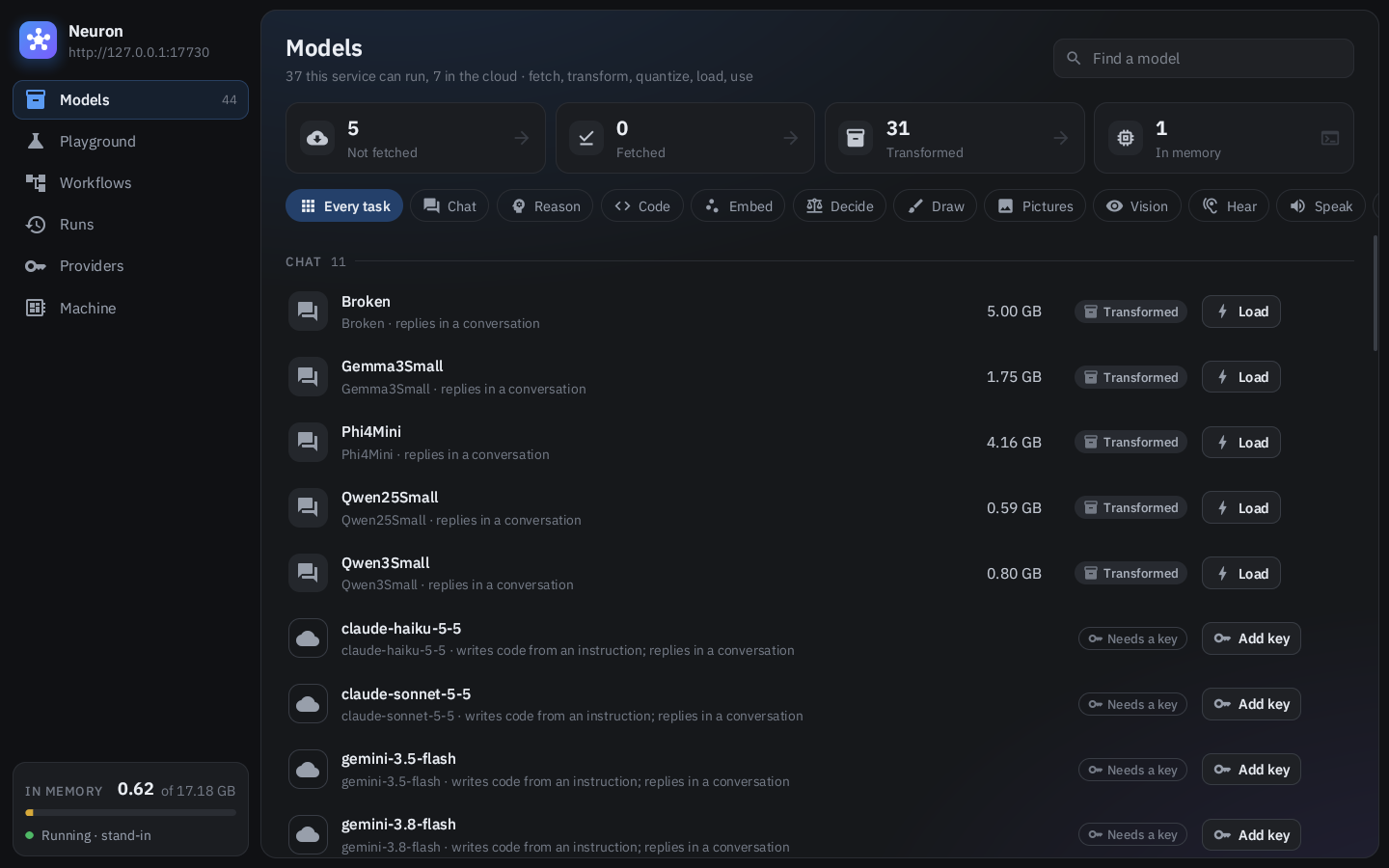
Aleph and its native compiler, Hilbert and Shin for mathematics and logic, a tensor engine on the GPU, actors, a database, agents and the tools that prove every change.
The languages and the platform → -
Research
Why neural needs symbolic
Models are fluent and unreliable; mathematics is reliable and slow to write. Put together, each covers what the other lacks. The thesis, the method and the essays.
The ideas behind it →
Three ideas, one system
-
01
Neuro-symbolic
Neural models read, perceive and draft. Symbolic logic, rules in Shin, decides what is allowed, what follows and what is missing. An agent can be fluent without being reckless.
-
02
A mathematical language
AI is good at mathematics. So the code is written in Aleph, pure and strongly typed, and every formula in Hilbert: abstractions a model can produce and a compiler can check.
-
03
Mathematical verification
Tests are derived from the model, not guessed. Every change passes 0 warnings, security A, reliability A and coverage of at least 95 %, and every screen is proved against its prototype.
From a description to a running system
- DescribeA paragraph about the business. Turing discovers its contexts, epics, features and stories.
- ArchitectThe architectural canon (TOGAF, SEI, DDD) judges every item; accepted items become services, a domain model, data and screens.
- Write the mathematicsThe system is written in Aleph, Hilbert and Shin; Max agents and Neuron do the neural work.
- ProveTsadi derives the tests, Ayin judges the code, Litush polishes it, Playground proves each screen side by side.
- Ship and watchKatharsis releases it, Arkhos deploys it as microservices, Helios watches every request. How →
- ~70repositories in one family, all our own
- 9targets the Aleph compiler emits
- 0 · A · Awarnings, security, reliability, on every change
- 95 %coverage of the derived tests, at least
For the business
-
 MLambda CRM
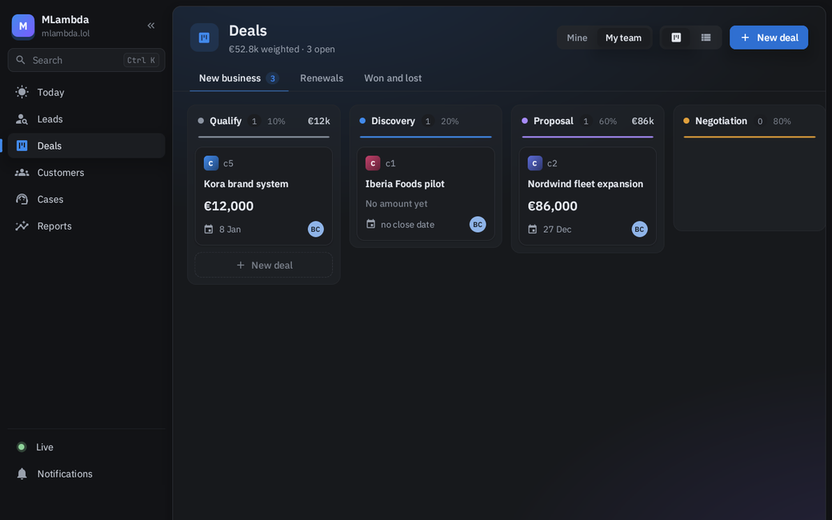
Your customers, all in one window: leads scored and assigned, deals on their pipeline, the whole story of every customer, and cases kept within their service level.
In the Store
-
 Muse
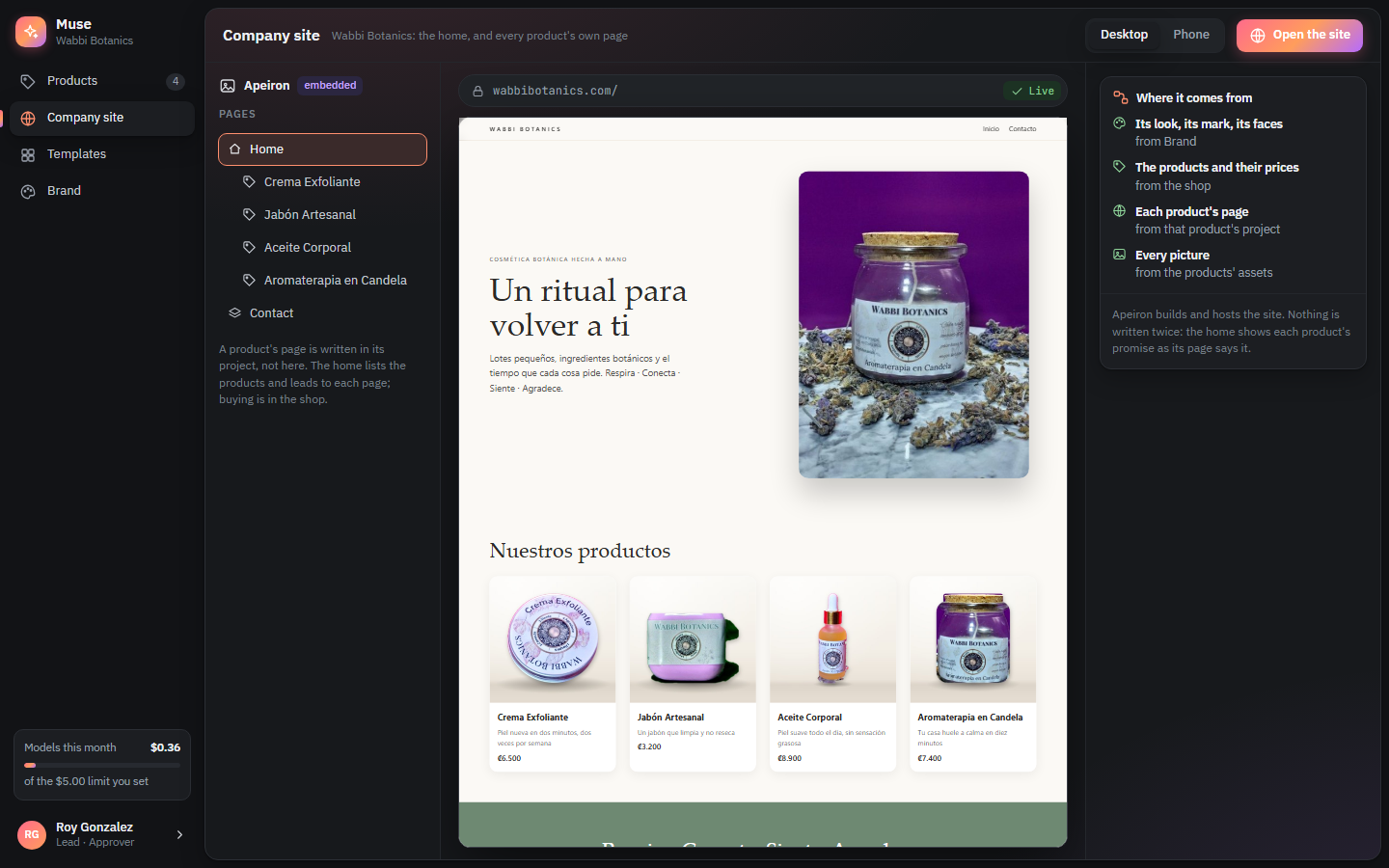
Marketing redefined around the product: one project per product, from its photos to its page to its campaigns, made in a few clicks and reviewed by the team.
Building
-
 MLambda Make
The integrations of a company's apps: connections, catalogues, mappings and flows, every run kept in a journal, and an assistant that proposes a flow from a sentence.
Ready
-
 MLambda ERP
Orders, stock and invoices for one company, built with the architecture of the CRM.
Ready
For developers
-
 Aleph
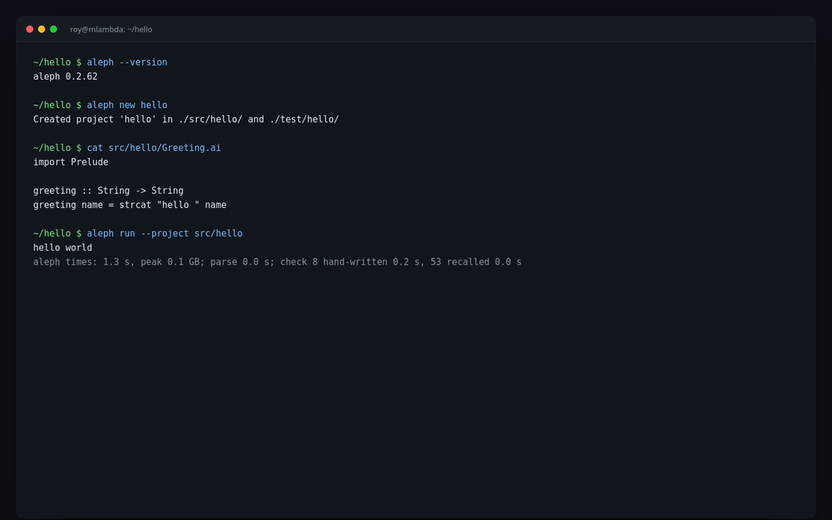
A pure, lazy, strongly typed language and its native compiler: written in Aleph, emitting LLVM for nine targets, with its own runtime.
In the Store
-
 Hilbert
The mathematics language: laws a reader can open, compiled to Aleph and computed on the GPU.
In use by every MLambda product
-
 Hilbert.Tensor
Tensors redefined from scratch: a lazy graph of mathematics, planned, fused and run on the GPU through the system's own driver.
In use by Neuron
-
 Max
BDI agents with a neural engine: models perceive, logic decides, and every answer comes with its plan, its norms and its trace.
In use by Turing
See it build a system
Describe a business in a paragraph and watch Turing turn it into an architecture, a model and its screens.